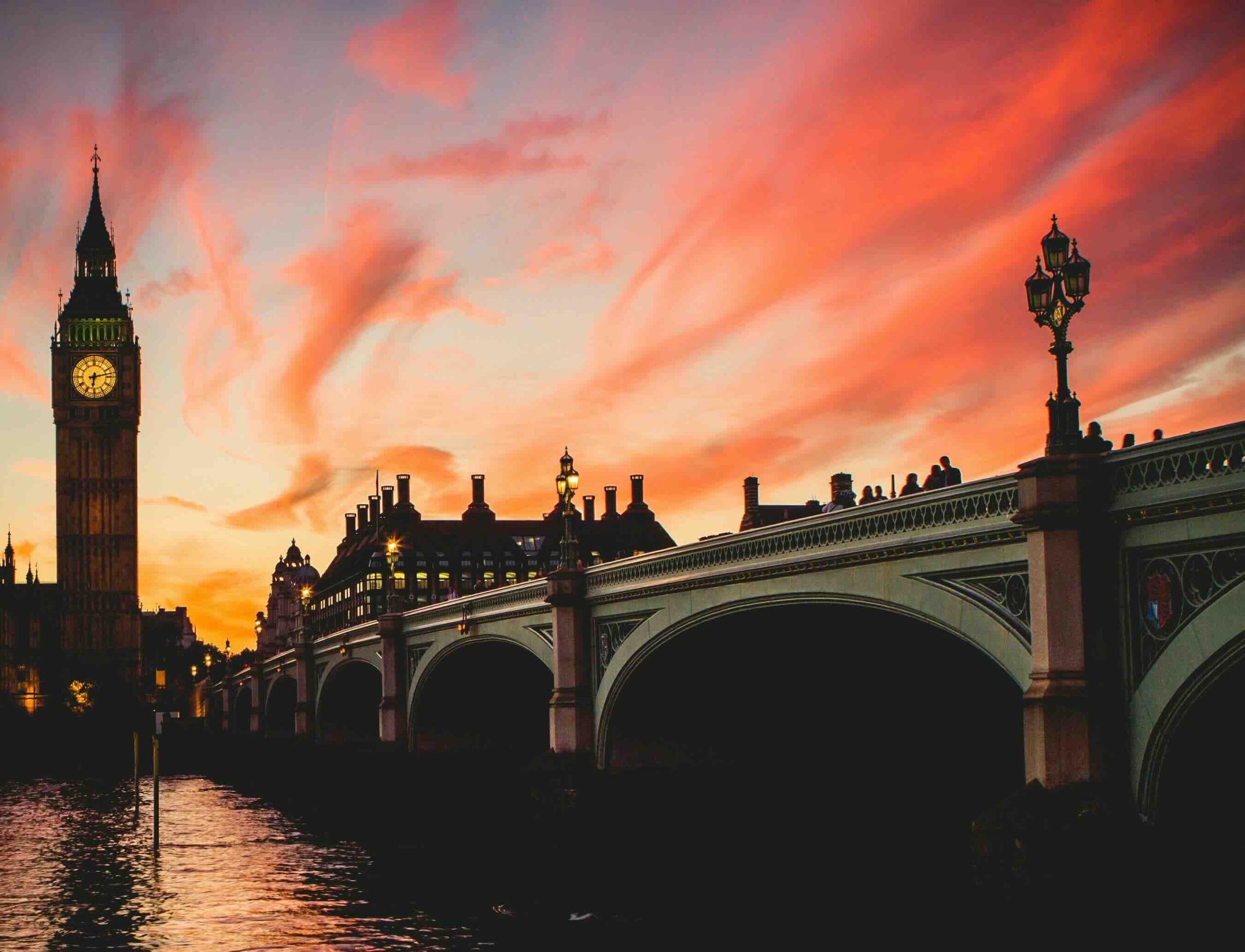
This is a post about how to plan a trip to London.
This post contains affiliate links, meaning I may earn a small commission if you make a purchase through them at no extra cost to you. This website is reader-supported and by using these links you help support my work and I truly appreciate it.
Thank you for your support!
I’ve been living in London for nearly TWENTY YEARS (what??!!). To this day, I find planning a trip to London can feel overwhelming. There’s so much to see, so many different routes you can take that it’s easy to overpack your itinerary and end up exhausted halfway through your trip. Not to mention the amount of time you can waste just standing in queues to get into some of the popular attractions.
The best thing to do is to plan your days in a way that actually lets you enjoy the city.
This guide walks you through exactly how to plan a trip to London step by step, hopefully without the overwhelm.

Step 1: Decide When to Visit London
The time of year you visit will completely change your experience.
Summer is the most popular option. You’ll get longer days, possibly better weather (can’t count on it 100%!) and a lot more going on outdoors. Think parks, markets, rooftop bars and events. The downside is higher prices and bigger crowds, so booking early matters.
Spring is a really good middle ground. The weather starts improving, flowers are blooming and it’s noticeably less crowded than summer. It’s the beginning of spring as I write this and the weather’s been glorious! The parks are greener each day, the sky turning a stronger shade of summer blue and mild temperatures while the sun finally feels warm again. Save for the occasional cold wind or hail like we had yesterday (just as I left the house to take my dog out! 🤡).
Autumn is quieter and feels more relaxed. It’s great if you prefer slower travel, museums and cosy cafés over busy tourist spots. Not to mention the gorgeous fall foliage! Personally, it’s my favourite. In fact, October tends to be a really good time. It’s not too cold, the air is crisp and we tend to get beautiful sunny days.
Winter works best if you’re coming for Christmas markets and festive vibes, but expect shorter days, colder weather and big, BIG crowds.
If it’s your first time, I reckon spring will give you the best overall experience.
READ MORE: The Ultimate London Travel Guide: Everything You Need to Know to Plan Your Trip in 2026
Step 2: Choose Where to Stay in London
London is much bigger than people expect. Transport is pretty good so you could argue location doesn’t reeeeally matter but it does depending on how long you’ve got in the city and what your bucket list attractions are.
If you stay central, you’ll save time, energy and, honestly, possibly a lot of stress from taking certain tube lines (I’m looking at you, Central!).
Soho and Covent Garden are perfect for first-time visitors. You’ll be close to major attractions, restaurants and theatres, and you can walk to a lot of places.
Southbank is a great option if you like being near the river. It’s slightly more relaxed but still VERY central, with easy access to landmarks and transport.
Shoreditch is better if you want something trendier, with nightlife, street art and more of a local vibe.
Kensington is quieter and more residential, but still close to various attractions such as some of the most popular museums (Natural History, Science, V&A), Knightsbridge and one of the entrances to Hyde Park. I like to call this area “Pinterest London”.
Bayswater/Paddington is also a popular area. It’s pretty central and it’s got LOADS of small, boutique hotels.
If your budget allows, prioritise location over hotel size. It will make your entire trip easier.
I’ve got a post about the best places to stay in London for tourists but, if you’re pressed for time, I’ll leave two recommendations here:
Strand Palace – SUPER central! Walking distance to Covent Garden, Big Ben/Westminster, Trafalgar Square… decent breakfast buffet + big on sustainability!
citizenM Tower of London – you can literally get a room facing the gorgeous Tower of London! And it’s still walking distance to a bunch of places you’ll want to visit like Borough Market
Step 3: Plan Your Itinerary Without Overpacking It
This is where most people go wrong. London is not a “see everything in 3 days” kind of city. Trying to do too much will just leave you tired and rushing from place to place.
The best approach is to plan by area.
For example, you can group Westminster, the London Eye and Southbank in one day. Another day could be Soho, Marylebone and Piccadilly. Then use a third day for Notting Hill, Hyde Park and South Kensington. It really depends on how much you want to see, especially if you want to go inside certain attractions where you have to queue for a while.
This way, you’re not constantly jumping on the Tube and wasting time travelling across the city.
Leave space in your itinerary too. Some of the best moments in London happen when you wander into a market, a café or a street you didn’t plan for.
READ MORE: Best Things to Do in London on a Rainy Day (+ FREE!)
Step 4: Book Key Attractions in Advance
London has a lot of popular attractions and, in peak seasons, they do sell out.
Places like the Shard, London Eye, river cruises and West End shows are worth booking ahead of time if they’re on your list.
Pre-booking also helps you skip long queues, which makes a big difference when you’re trying to fit multiple things into one day. I use GetYourGuide and Viator for my travel bookings. They’re also great to compare options and find tours or tickets that fit your schedule.
Step 5: Understand How Transport Works
London’s transport system is one of the easiest to use once you understand the basics.
I’ve got a whole guide about how to get around London like a local but, in a nutshell, here’s what you need to know:
You don’t need to buy paper tickets. Just use a contactless card or your phone to tap in and out.
The Tube is the fastest way to get around, especially for longer distances. Buses are slower but cheaper and more scenic, which is great if you’re not in a rush.
Walking is underrated. Central London is more walkable than it looks on a map and you’ll end up seeing a lot more along the way.
There are also daily caps on transport, so you won’t accidentally overspend if you’re tapping in multiple times.
Step 6: Budget for Your Trip
London has a reputation for being expensive, but you can manage your budget with a bit of planning.
Accommodation will likely be your biggest cost, especially if you stay central.
Food can vary a lot. You can mix restaurants with markets like Borough Market or street food spots to keep costs down. I personally LOVE the street food and food markets in London. You can check out my London food guide by budget for more information.
Many of London’s best museums are free, which helps balance out the cost of paid attractions.
Transport is fairly predictable thanks to daily caps, so you don’t need to worry too much there.
The easiest way to save money is to book major things in advance and avoid last-minute prices.
READ MORE: Best and Closest Airport to Central London: Complete Guide
Step 7: Don’t Miss These Experiences
Even with a flexible itinerary, there are a few experiences that are worth prioritising.
Walking along the Southbank at sunset is one of the simplest but most memorable things you can do.
A picnic in Hyde Park on a sunny day is a classic London experience.
Exploring a market, whether it’s Borough, Camden or Portobello, gives you a feel for the city beyond the main attractions.
Visiting at least one museum is worth it, especially since many are free and genuinely world-class.
And if you have time, seeing a West End show is one of those experiences that really makes a trip feel special.
Travel Tools to Plan Your London Trip
| Category | Recommendation | Links |
|---|---|---|
| Hotels | Central London stays | Booking.com |
| Tours | Thames River Cruise | GetYourGuide |
| Attractions | The Shard tickets | Viator |
| Transport | Train/coach bookings | Omio |
| Experiences | West End shows | GetYourGuide |
Booking a few key things in advance will save you time and make your trip feel much smoother overall.
Final Tips for Planning a Trip to London
Give yourself more time than you think you need.
Wear comfortable shoes! You’ll walk way more than expected – get ready for those 20k-step days!
Always have a backup indoor plan, especially because the weather can change quickly.
And don’t over-schedule. It’s very likely things will take longer than expected, especially if you’re going into certain attractions.
This was a post about how to plan a trip to London.