This is a post about things to do in Iceland.
This website contains affiliate links, meaning I may earn a small commission if you make a purchase through them at no extra cost to you. Using these links helps support my work and I truly appreciate it when you choose to do so. Thank you for your support!
Iceland is one of the most magical places I’ve ever been! There’s genuinely nowhere else on Earth that looks like it: black sand beaches, steaming geothermal pools, lava fields stretching as far as you can see and a sky that turns into a light show after dark. I went for three days in early December and came back already planning a longer trip.
Iceland also has one of my favourite cultural traditions in the world: Jólabókaflód, the Christmas book flood, where Icelanders exchange books on Christmas Eve and spend the night reading. A country with its priorities right, if you ask me.
But back to the trip. If you’re looking for the top things to do in Iceland and wondering whether it’s worth the cost, the cold or the unpredictable weather: yes. Absolutely yes. Here’s everything I recommend, from the bucket-list classics to the things I wish someone had flagged before I landed.

Quick Guide: Iceland
| Capital | Reykjavík |
| Currency | Icelandic Króna (ISK); card is accepted almost everywhere |
| Best time to visit | June-August for midnight sun; October-April for Northern Lights |
| Getting around | Rent a car for flexibility or join guided day tours from Reykjavík |
| Where to stay | Reykjavík is the best base for most trips |
| Don’t miss | The Golden Circle, a geothermal pool and the South Coast |
| Book accommodation | Sand Hotel in Reykjavik |
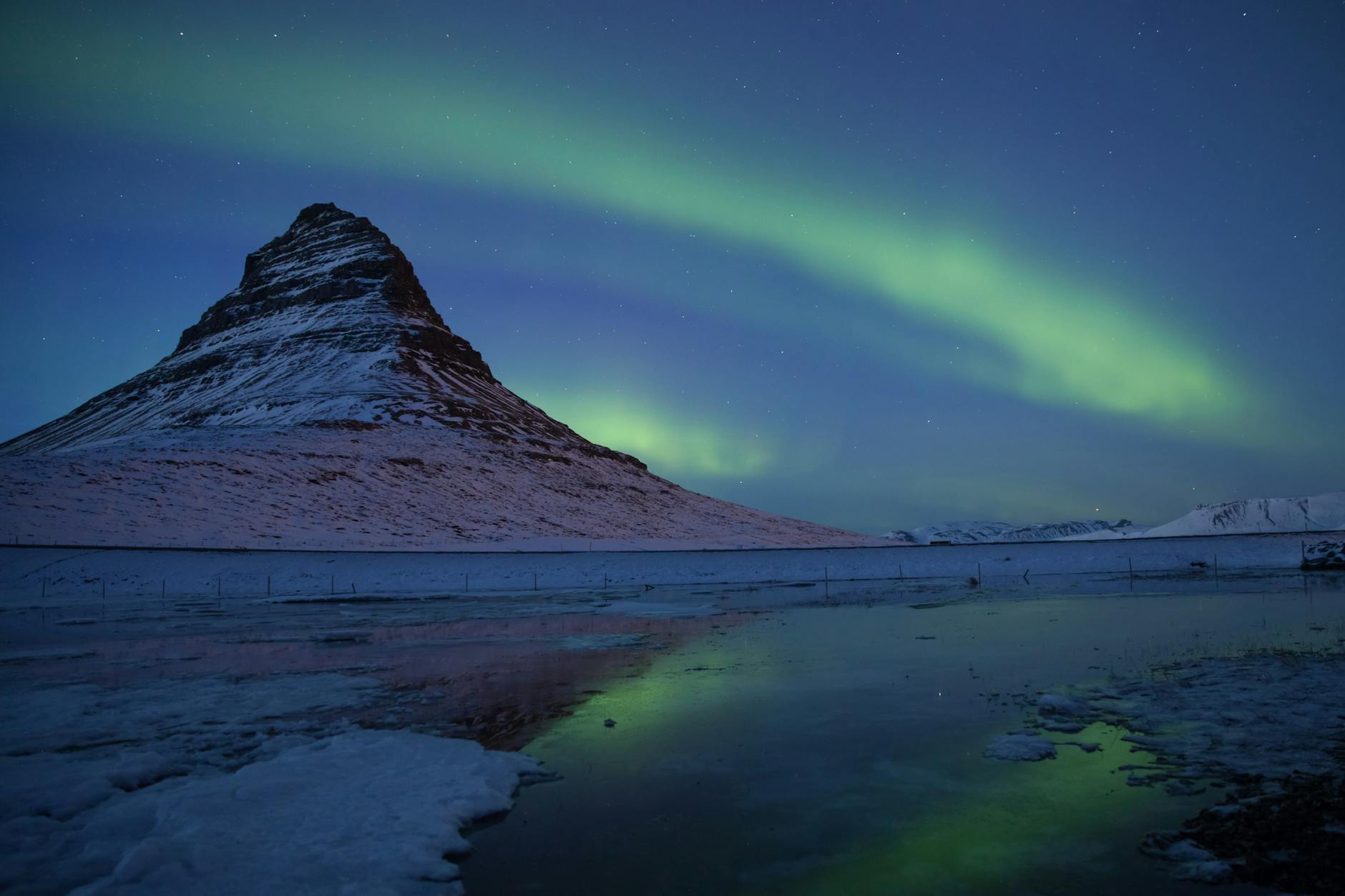
Chase the Northern Lights
Let’s get the big one out of the way. The Northern Lights are the reason many people book Iceland in the first place (and I say this as someone who did not see them on my trip, sadly). It was cloudy for the entire three days and I was genuinely devastated.
But that’s the thing about the aurora: it’s never guaranteed. What you can do is stack the odds in your favour. The window runs from late-September to April, with December to February offering the longest dark hours. Get away from Reykjavík’s light pollution; the Seltjarnarnes Peninsula is the closest dark-sky spot from the city, while Þingvellir National Park and the Westfjords give you even better conditions.
Download the Aurora Forecast app before you go, it tracks solar activity and gives you a real-time probability score, which you’ll want to check alongside the cloud forecast separately. A high aurora probability means nothing if the sky is solid grey. If you don’t have a car, booking a guided Northern Lights tour is your best bet, as drivers know where to head based on conditions that night.
Soak in a Geothermal Pool
Iceland sits on a volcanic hotspot, which means the country is essentially one giant natural spa. Getting into a geothermal pool in winter, when the air is freezing and the water absolutely is not, is one of those experiences that sounds nice in theory and turns out to be extraordinary in practice.
I went to the Blue Lagoon, which I know gets a lot of eye-rolls for being touristy and expensive. Go anyway. I visited on a dark winter evening and the whole thing had this wonderfully eerie, otherworldly atmosphere; steam rising off the water, floodlights cutting through the fog, staff wandering around to make sure nobody was er…doing things they probably shouldn’t be doing in public. The silica mud masks were included in our ticket and my skin felt incredible afterwards. Pre-booking is essential!
If you want something quieter, the Secret Lagoon in Flúðir is older and more rustic. The Sky Lagoon, closer to Reykjavík, is newer and known for its infinity edge overlooking the ocean; a strong option if you want something upscale without the Blue Lagoon crowds.
Explore Reykjavík
Reykjavík is one of the smallest capitals I’ve ever visited. It has this slightly (emphasis on “slightly”) scruffy, charming fishing-village energy I wasn’t expecting. It’s colourful, walkable and surprisingly good for food.
Climb Hallgrímskirkja, the enormous concrete church that dominates the skyline; the views from the top are worth the small entry fee. Wander the downtown streets and take in the murals, the painted corrugated iron houses and the tiny coffee shops tucked into every corner. Eat a hot dog from Bæjarins Beztu Pylsur. It sounds like a tourist trap and it sort of is, but it costs almost nothing and it’s just part of the Icelandic experience! Stop into Harpa Concert Hall for the architecture alone. And for a proper sit-down meal, Sjávargrillið does lobster tacos that are genuinely excellent.
I stayed at the Sand Hotel, which I’d recommend. Central, great breakfast and well-placed for exploring on foot. Check availability here.
For a full breakdown of the city, my Reykjavík city guide covers where to eat, what to see and how to plan your days there.
READ MORE: Complete Reykjavik City Guide: What to See, Where to Stay & How to Plan Your Trip
Drive the Golden Circle
The Golden Circle is Iceland’s most popular day route, and the crowds are justified. In one loop from Reykjavík you get a UNESCO World Heritage Site, an active geyser and one of the most powerful waterfalls in Europe. Allocate a full day and don’t rush it.
Þingvellir National Park is where the North American and Eurasian tectonic plates meet — you can literally stand in the rift between two continents. In winter it’s beautifully bleak and quiet. Geysir Geothermal Area is home to Strokkur, a geyser that erupts every five to ten minutes without fail. You stand there with your phone out, waiting and then it goes and everyone around you screams a little. It’s great fun. Gullfoss Waterfall is massive, thundering and beautiful; in winter the mist freezes on the surrounding rocks and the whole thing looks unreal.
I did the Golden Circle as a guided day tour, which I’d recommend if you’d rather not self-drive on icy roads. This is the tour I took if you want to book the same. Our guide was great! Some passengers were going to the tomato greenhouse and, when we went back to pick them up, he let us go in and browse even though it wasn’t part of our tour. He also only played Icelandic music and talked us through the bands and artists.
Visit the South Coast
If you have a second full day, the South Coast is where to spend it. The scenery shifts constantly and almost every stop feels like a completely different country.
Seljalandsfoss is a waterfall you can walk behind; wet, slippery and completely worth it if you wear waterproofs. Skógafoss is bigger and more dramatic; climb the stairs alongside it for views out over the coastal plains. Reynisfjara Black Sand Beach is one of the most striking places I’ve ever seen: basalt columns that look like something from a fantasy film and waves that are genuinely dangerous, so stay behind the safety line no matter how good the photo opportunity looks. Vík is a small village that makes a good lunch stop between the two.
For the more adventurous, you can book a glacier hike on Sólheimajökull or go and see the abandoned DC-3 plane wreck on Sólheimasandur. Book South Coast tours here.
Marvel at Iceland’s Glaciers
Iceland has more glaciers than almost anywhere else in Europe, and seeing one up close reframes your sense of scale entirely. Vatnajökull is the largest glacier in Europe and sits within its own national park in the south-east. Langjökull, closer to Reykjavík, is where you can do snowmobiling and explore ice caves.
The ice caves are spectacular! Deep blue, almost luminous, but they’re only safely accessible from November to March when the ice is stable. Please go with a guide. Iceland’s landscapes are stunning and also legitimately treacherous if you don’t know them. Book an ice cave tour here.
Discover the Westfjords
If you want to get off the beaten path, the Westfjords are Iceland’s answer to that. Remote, wild and dramatically undervisited. This is the Iceland that doesn’t make it onto the highlight reels.
Dynjandi Waterfall is a series of cascading falls that widen as they drop, like a giant wedding veil. Hornstrandir Nature Reserve is one of the best places in Iceland to spot Arctic foxes in the wild. Rauðasandur Beach is a pink-tinged sand beach that looks nothing like anywhere else in the country.
You’ll need a car and more than a weekend to get here. But if you’re going back for a longer trip (and you will want to go back!) put it on the list.
See Puffins and Whales
Iceland is one of the best places in the world to see puffins, with huge colonies nesting on the cliffs from May to August. Outside that window they’re gone, but whale watching runs most of the year.
The best puffin spots include the Vestmannaeyjar (Westman Islands), Látrabjarg Cliffs in the Westfjords and the Dyrhólaey Peninsula. For whales, Reykjavík has tours, but Húsavík in north Iceland is considered the whale watching capital of the country. Some tours there combine it with a visit to a puffin island. Here’s a tour from Reykjavik and a tour from Húsavík.
Experience the Midnight Sun
I went in winter, so I missed this entirely but our Reykjavík guide told us something that’s been rattling around in my head ever since: on 21 June, the longest day, the sun doesn’t fully set. It just dips towards the horizon and bounces back. That’s the whole night. I need to see it!
If you’re going in summer, the Midnight Sun opens up a completely different side of Iceland: hiking in Landmannalaugar in the Highlands, visiting Kerið Crater (a vivid volcanic lake that’s also beautiful in winter) and catching the Secret Solstice festival in Reykjavík. The best window is late May to early August, with 21 June being the main event.
Try Icelandic Food
Icelandic food is more interesting than people expect and it’s not just about fermented shark (though if you want to try it, I’ll be watching from a safe distance).
Kjötsúpa, the Icelandic lamb stew, is exactly what you want after a cold day outside. Plokkfiskur, a comforting fish stew, is very underrated. Skyr, the thick yogurt-like dairy product, is everywhere and worth eating at every opportunity. The rye bread ice cream at Café Loki sounds bizarre and is one of the best things I ate on the trip, please trust me on this. And Brennivin, nicknamed “black death”, is Iceland’s signature spirit, something like an unsweetened aquavit; have a small one.
When to Visit Iceland
Winter (November-March) gives you the best chance of Northern Lights, fewer tourists, lower prices and dramatic snowy landscapes, but expect short daylight hours and some highland roads to be closed. This is when I went and I loved it.
Summer (June-August) gives you the Midnight Sun, all roads open, puffins, festivals and proper hiking conditions, but also peak crowds and prices, and no aurora.
Shoulder season (April-May or September-October) is the sweet spot for many travellers: decent daylight, some Northern Lights chances in autumn and smaller crowds than summer.
How to Get Around Iceland
The most flexible option is hiring a car, especially for the South Coast or Golden Circle at your own pace. In winter, book a 4WD and check road conditions daily on road.is before you drive anywhere.
If you’d rather not self-drive or the conditions are icy and you’d rather someone else handle that stress, guided day tours from Reykjavík cover all the major routes. Browse Iceland day tours here.
Is Iceland Worth It?
Three days in Iceland is enough to fall completely in love with it and nowhere near enough to feel like you’ve seen it. Go in winter if you can handle the cold; the geothermal pools feel even better when the air is freezing, the snow makes everything look like a film set and the crowds are manageable. Then start planning the longer trip you’ll immediately want to book the moment you land back home.
FAQ: Things to Do in Iceland
Three days is enough for Reykjavík, the Golden Circle and one or two other highlights. Five to seven days gives you time for the South Coast, a glacier and potentially the Westfjords. Honestly, a week still feels short.
It depends what you’re after. Winter (November–March) is best for Northern Lights and dramatic snowy landscapes. Summer (June–August) gives you the Midnight Sun, puffins and all roads open. Shoulder season is a solid middle ground.
Yes! I’d argue it’s one of the best winter destinations in Europe. The Northern Lights, geothermal pools, ice caves and snow-covered landscapes make it genuinely special. Pack warm layers and expect short daylight hours.
Not necessarily. If you’re based in Reykjavík and joining guided tours, you can manage without one. If you want flexibility on the South Coast or Golden Circle, renting a car is worth it. In winter, book a 4WD.
Yes, it’s one of the pricier destinations in Europe. Accommodation and eating out add up quickly. Budget for it and it’s absolutely worth it. Self-catering for some meals helps keep costs down.
You can, but light pollution reduces your chances significantly. The Seltjarnarnes Peninsula is the closest dark-sky spot or join a guided Northern Lights tour that takes you further out.
You might also like:
Complete Reykjavík City Guide
Best Cities in Germany
Munich Travel Guide