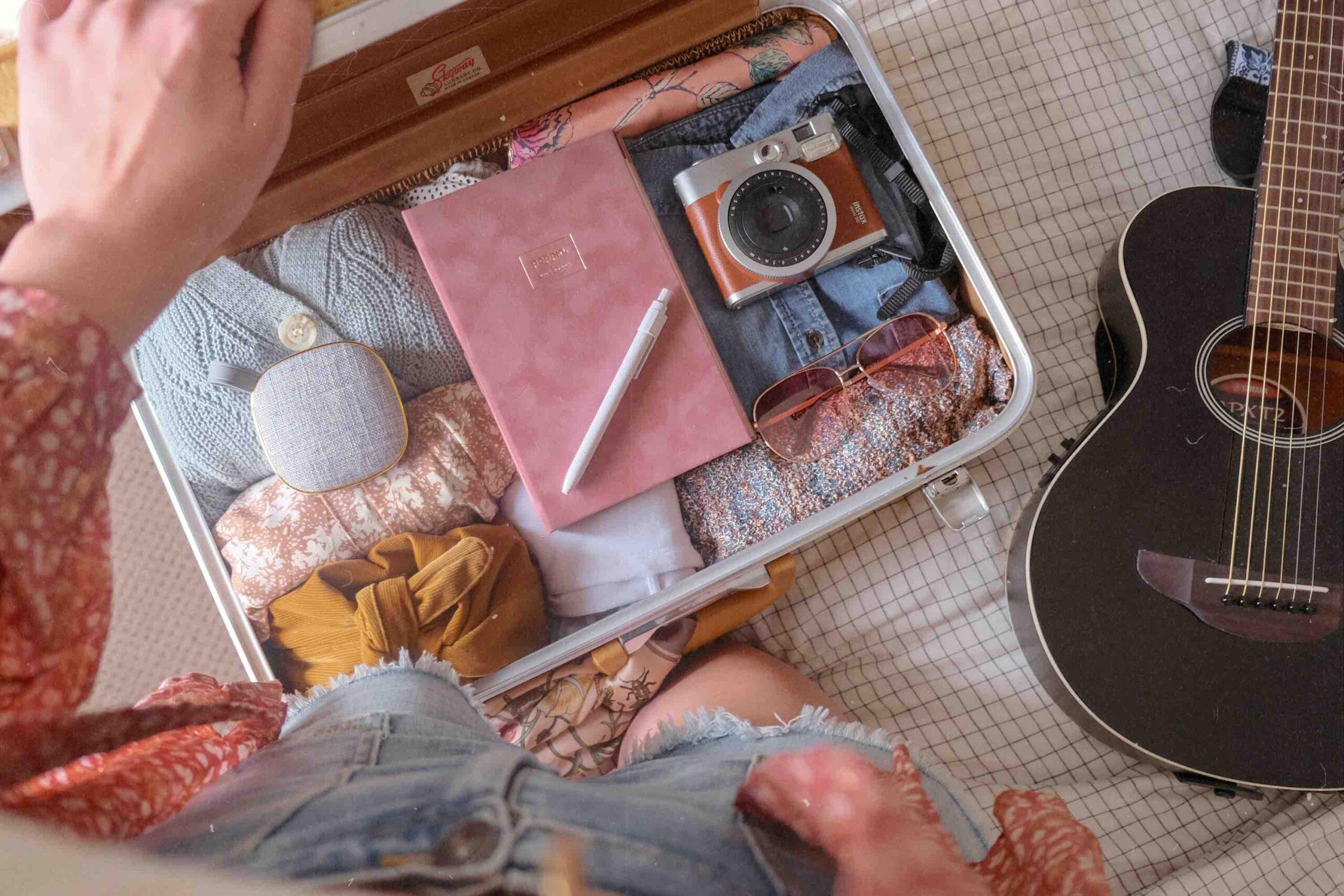
This is a packing checklist for Europe.
I was reading a post about travelling to Liechtenstein where the person was talking about the plugs and how they’re different from Europe. It reminded me that when I went to Liechtenstein and I had the same issue, only one of my adaptors worked. If I remember correctly, the power outlets were different too (as in different ones around the room). Anyway, so I thought I’d write this Europe packing checklist. I’ve been here a little while (15+ years!) so most things feel a bit obvious and common, but for someone coming from abroad, they’re obviously not! Feel free to leave any questions in the comments and I’ll try my best to answer.
Packing for Europe can feel a little overwhelming, especially if it’s your first time or if you’re trying to pack light. Whether you’re going for a quick break, a 3-month-long rail journey or moving!, this packing checklist for Europe covers everything you actually need to bring for a comfortable and stress-free trip.

This website contains affiliate links, meaning we may earn a small commission if you make a purchase through them at no extra cost to you. Using these links helps support our work, so we truly appreciate it if you choose to do so. Thank you for your support!
Documents and Essentials
Start with the basics. You can’t travel without the right documents and having them organised will save you major headaches at airports, train stations and border checks. Keep these items in your carry-on.
- passport with at least six months’ validity
- visas (if applicable; make sure you check if you need one before travelling! And rules are different from one country to another if they’re not in the Schengen area)
- travel insurance documents
- boarding passes (if you can’t access it for some reason, usually the check-in desk can get you one)
- accommodation bookings (in case you need to show at border control)
- train and bus tickets
- driving license or international driving permit if you’re renting a car
- student/youth card or any travel discount cards you’re eligible for
Having digital copies of everything stored on your phone and backed up to the cloud is also a smart move. You never know when you might lose your wallet or need to show something on the go. But also, you never know when tech will fail, so paper copies are still advised.
Electronics
Europe is a tech-friendly place but only if you’re ready for its different outlets and voltage. Bring a universal power adaptor with round pins that work for the European standard, but avoid square-shaped ones as they often don’t fit snugly into recessed wall sockets (Germany loves those!). If you’re visiting multiple countries, a multi-port USB charger or compact power strip will come in handy.
I love these types of adaptors! They're small and light, work all around the EU and are fast-charging. You can charge 3 devices at once!


Pack a power bank for your phone, especially for days when you’re navigating unfamiliar streets with Google Maps or taking endless photos. A slim 10,000mAh one usually does the trick without adding too much weight to your bag.
Don’t forget your phone charger, camera or GoPro (if you’re into documenting your travels), and headphones or earbuds for trains, flights and long waits.
If you want to use your wireless headphones for in-flight entertainment, get yourself a bluetooth connector that you plug in to the system using a jack instead of the airline’s earphones.
Connect your wireless headphones to the airplane's in-flight entertainment with this bluetooth transmitter/receiver.

If you’re not keen on roaming charges, consider getting a local SIM card or buying an eSIM ahead of your trip. Airalo and Holafly are great options that work across several European countries. A reliable data plan means you won’t be dependent on patchy public Wi-Fi to look things up or check into your accommodation.
Packing Cubes and Luggage
Whether you’re travelling with a backpack or a suitcase, packing cubes are a game changer. They help you stay organised, find things quickly and keep dirty clothes separated. Some travellers also use compression cubes to save space, especially useful if you’re moving around a lot or travelling during shoulder seasons when you need bulkier clothes.
These packing cubes are life-changing!! They make it so much easier to pack AND to live out of a suitcase/backpack...

Bring a small daypack or tote bag for day trips, sightseeing and visiting museums or markets. If you’re flying with a low-cost carrier like Ryanair or Wizz Air, be aware of strict size limits for cabin bags. A lightweight backpack that fits under the seat might be your best bet.

Clothing and Shoes
Pack COMFORT! Honestly, there’s not much cruising around in cars to be done here. Even if you’re not backpacking through Europe, you’ll still be walking a lot, taking public transport and probably lugging suitcases along cobblestones.
If you want to blend in, you’ll find a mix of styles in Europe but comfort and basics will always be around. Sunnier countries such as Spain and Portugal tend to see more colours. I say comfort and basics but I don’t mean slacker, especially if you want to go out to clubs and restaurants. I mean kinda polished. Let’s say it’s Pinterest 2024/2025… but thin high heels, for instance, can probably stay home. Again, lots of walking, cobblestones and public transport.
- neutral basics you can mix and match
- at least one warmer layer, even in summer
- a waterproof jacket and/or compact umbrella
- a scarf or pashmina (useful on cold trains, windy evenings or visiting churches and temples)
- a swimsuit if you’re headed to the coast, hot springs or hotel pools
- a foldable hat or cap for sun protection
- sleepwear and enough underwear for 5–7 days
- lightweight socks (plus wool socks if hiking or visiting colder areas)
For shoes, bring one comfortable pair for walking, one dressier option and maybe sandals depending on the weather. Comfy shoes are non-negotiable. Leave new shoes at home unless you’ve fully broken them in. Do bring flip flops for the beach, pool or hot springs. But especially for the bathroom if you’re staying at hostels!
Toiletries and Medications
Toiletries in travel sizes will do the trick. You can buy most things in Europe so don’t overpack. If you’re travelling with carry-on only, keep liquids under 100ml and use a transparent zip bag.
- travel-sized shampoo and conditioner
- soap or body wash
- toothbrush and toothpaste
- deodorant
- razor (can’t go on carry-on!)
- sunscreen
- moisturiser or multi-use balm
- hairbrush or comb
- lip balm
- sanitary products or menstrual cup
- hand sanitiser and wet wipes
- any medication with original packaging and prescription if needed (in 20 years of travels, I’ve never been asked but you just never know!)
Add a small first aid kit with plasters, painkillers, antihistamines and any other basics you rely on. It’s not essential but can be very convenient if something happens on the road or on a hike.
I love these silicone bottles kit!! So handy for travelling, especially when you're only taking a carry-on.

Extras That Make Life Easier
Here are a few often-forgotten extras that make a huge difference while travelling in Europe
- a reusable water bottle – refill stations are common and tap water is safe in most places
- a small lock – for hostel lockers or train journeys
- a lightweight towel – handy if you’re staying in hostels or visiting beaches
- a sleep mask and earplugs – trains, buses and even some Airbnbs can be noisy
- a laundry bag – or even just a foldable plastic bag for separating dirty clothes
- travel detergent sheets or a soap bar if you’ll be doing laundry
- a small notebook or journal
- a phrasebook or offline language app
- a portable cutlery set if you’re eating on the go or visiting markets
- your favourite tea bags or snacks if you’re picky or have dietary needs
Weather and Season-Specific Tips
Always check the weather forecast for each region you’re visiting. In Europe, spring and autumn can be unpredictable and you might need both a T-shirt and a down jacket in the same week. Summer can be very hot, especially in Southern Europe where air conditioning isn’t always guaranteed.
Winter packing will depend on where you’re going. For example, Norway and Spain are very different climates in January. Bring layers, thermal leggings, gloves and a hat if you’re heading to colder regions.
Final Thoughts
Packing for Europe doesn’t have to be stressful. With the right essentials and a few extras that make life easier, you’ll be ready for everything from scenic hikes in the Alps to rooftop bars in Barcelona. The key is to stay organised, pack light and focus on versatile items that suit multiple occasions. And hopefully with this Europe packing checklist you won’t miss anything!
If you’re travelling long-term or across multiple countries, don’t stress about packing for every single situation. Europe is well-equipped with stores like Decathlon, Uniqlo and an H&M in most corners as well as local pharmacies where you can grab whatever you’re missing. Focus on comfort, convenience and staying connected and you’ll have everything you need to make the most of your trip.

This was a packing checklist for Europe.