This is an Albania travel guide.
Albania is one of Europe’s most underrated gems. With its dramatic mountains, sparkling coastline and ancient cities, it offers rich culture and natural beauty at a fraction of the cost of nearby countries. Whether you’re a history buff, a beach lover or an outdoor adventurer this guide will help you plan your trip across Albania’s most stunning regions.
I must say, I didn’t know what to expect but I loved what I got! Super friendly people, deliciously fresh and juicy fruits…well, delicious food in general! Warmth (in more ways than one), stunning landscapes… I’d definitely recommend spending a chunk of time there!

Tirana and Surroundings
Start your journey in the colourful and chaotic capital of Tirana. The city has transformed dramatically in recent years with vibrant street art, quirky cafes and pedestrian-friendly streets. Skanderbeg Square is the heart of the city surrounded by the National History Museum, the Opera House and the Et’hem Bey Mosque. Climb to the top of the Pyramid of Tirana for sunset views then head to Blloku for modern restaurants and lively nightlife.
Just outside Tirana, take the Dajti Ekspres cable car for panoramic views over the city and access to Dajti National Park. It’s a great place to escape the heat or enjoy a walk in nature. If you love history, right by the Dajti Ekspres is the Bunk’Art museum which showcases Albania’s communist past inside real underground bunkers. If you’re short on time, Bunk’Art 2 is right in the city centre and a much smaller version but will give you a glimpse into life under communism in Albania. While you’re at it, you should also try the House of Leaves nearby! It’s the “musem of secret surveillance” and will show you how the government used to spy on its population.
Krujë is also a popular day trip. The birthplace of national hero Skanderbeg, it offers a medieval bazaar a castle with panoramic views and a fascinating museum.
Read more: Facts You Must Know About Tirana: Tips for First-Time Visitors
Shkodër and the North
Shkodër is often used as a gateway to the Albanian Alps and is worth a stop on its own. The city has a laid-back vibe with a large pedestrian area filled with cafes and restaurants. Rozafa Castle sits on a hill just outside the city with sweeping views of the surrounding mountains and rivers.
From Shkodër many travellers continue on to the northern mountains particularly to Theth and Valbona. These alpine villages are connected by one of the most famous hikes in Albania: the Theth to Valbona trail. The hike takes you through some of the most jaw-dropping landscapes in the Balkans. Expect wildflowers, alpine meadows, waterfalls and the peaceful Blue Eye of Theth, a cold turquoise spring in the middle of the mountains. This is a different Blue Eye than the one in the south and is a highlight for nature lovers.
Fun fact: part of Shkodër is in Montenegro! In fact, the drive from Tirana to Montenegro is on route to the lake if you want to extend a trip and add another country to the mix.
The Albanian Riviera
I bet you know someone who’s been to the coast of Albania! These past few years it became a really popular destination around Europe… they’re actually advertising it as “the Maldives of Europe”!
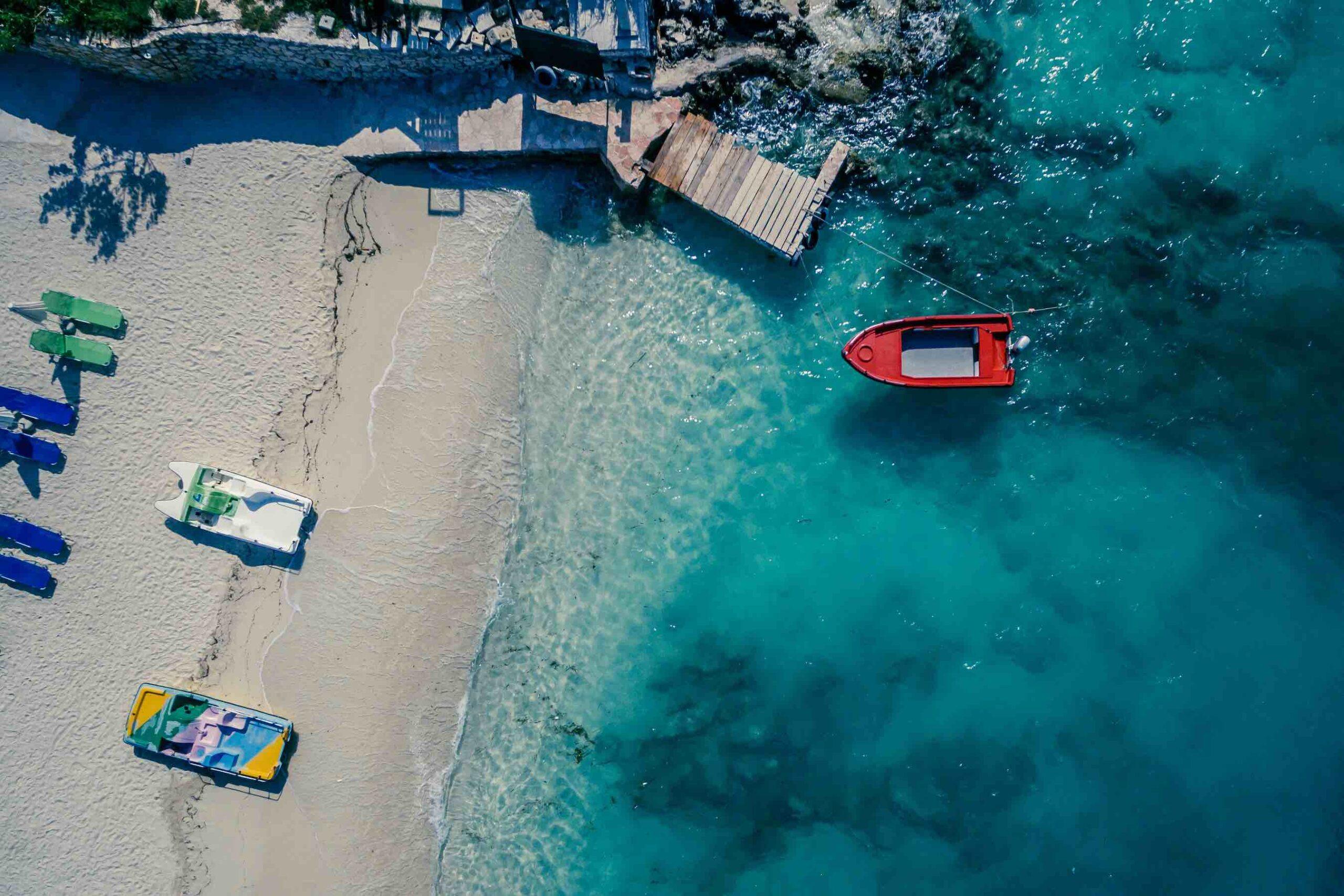
The Albanian Riviera stretches along the Ionian coast and is home to some of the most beautiful beaches in Europe. Start in Vlorë where the Adriatic meets the Ionian Sea then make your way down the coast. Popular stops include Ksamil, Himarë and Sarandë, each with stunning beaches and a relaxed vibe. The drive along the Llogara Pass offers jaw-dropping views of the coast and sea.
Sarandë is the Riviera’s unofficial capital and while it’s more developed it’s still a convenient base for exploring the southern coast. From Sarandë you can easily reach Ksamil with its white sand beaches and clear turquoise water. This is one of the most popular summer destinations in the country but it’s best enjoyed in the shoulder season when it’s less crowded. I would not recommend going around July/August.
You can actually fly to Corfu if it’s more convenient and take a ferry across to Sarandë. It only takes about 35-40min!
Butrint National Park and the South
Not far from Ksamil lies Butrint National Park, a UNESCO World Heritage Site that’s home to some of the best-preserved ruins in the Balkans. This ancient city was once a Greek colony, a Roman city and a Byzantine bishopric and the layers of history are still visible today. The park is surrounded by wetlands lakes and the sea making it not only an archaeological treasure but also a haven for birdwatchers and nature lovers
On the way to Butrint stop at the Blue Eye (Syri i Kaltër), a natural spring of vibrant blue water that bubbles up from an unknown depth. The Blue Eye is a popular photo spot and a great place to cool off though the water is freezing even in summer.
Berat
Known as the city of a thousand windows, Berat is another UNESCO-listed site and one of the prettiest towns in Albania. The white Ottoman houses climb up the hillside and face each other across the Osum River. Mangalem and Gorica are the two main neighbourhoods connected by a stone bridge.
Berat Castle sits at the top of the hill and is still inhabited today. Walking through its cobbled streets feels like stepping back in time. Inside the castle walls you’ll find churches ruins and breathtaking views over the valley. The town is also known for its wineries so take some time to try local wines at one of the nearby vineyards.
Gjirokastër
Gjirokastër is another stunning Ottoman-era city with stone-roofed houses cobbled streets and a massive hilltop castle. It’s also a UNESCO World Heritage Site and the birthplace of Albania’s most infamous leader Enver Hoxha. The castle houses an armaments museum and offers panoramic views of the Drino Valley.
The Old Bazaar is a lovely place to pick up handmade goods and try traditional Albanian dishes. Look out for qifqi fried rice balls with herbs, a Gjirokastër specialty. You can also visit the Ethnographic Museum located in Hoxha’s former home which showcases traditional Albanian life.
Theth and the Accursed Mountains
Back in the north Theth deserves a section of its own. This remote village is tucked away in the Albanian Alps and accessible via a winding road that’s not for the faint-hearted. The journey is worth it though. Theth is a peaceful mountain paradise with traditional stone houses wild rivers and dramatic peaks.
Aside from the Blue Eye, the village is also home to the iconic Theth Church and the Lock-in Tower, a symbol of Albania’s history of blood feuds. Hikers will find plenty of trails here including one to the Grunas Waterfall and another to the pass connecting to Valbona.
Practical Tips for Visiting Albania
Albania still uses its own currency the lek and cash is king especially outside of Tirana. Exchange bureaus tend to give better rates than banks or ATMs. Public transport is affordable but not always reliable so many travellers choose to rent a car. Be prepared for inconsistent road signage and occasional issues with GPS particularly on highways (even our cab driver got lost following it!). To top it off, Albanian roads feel like they have no rules. People will regularly cut in front of you and do all kinds of mad maneuvers! So stay alert.
The best time to visit is between May and October in terms of weather. However, July and August are peak season and coastal areas can get very busy so plan accordingly. If you’re headed to the mountains, June and September offer great weather and fewer crowds.