
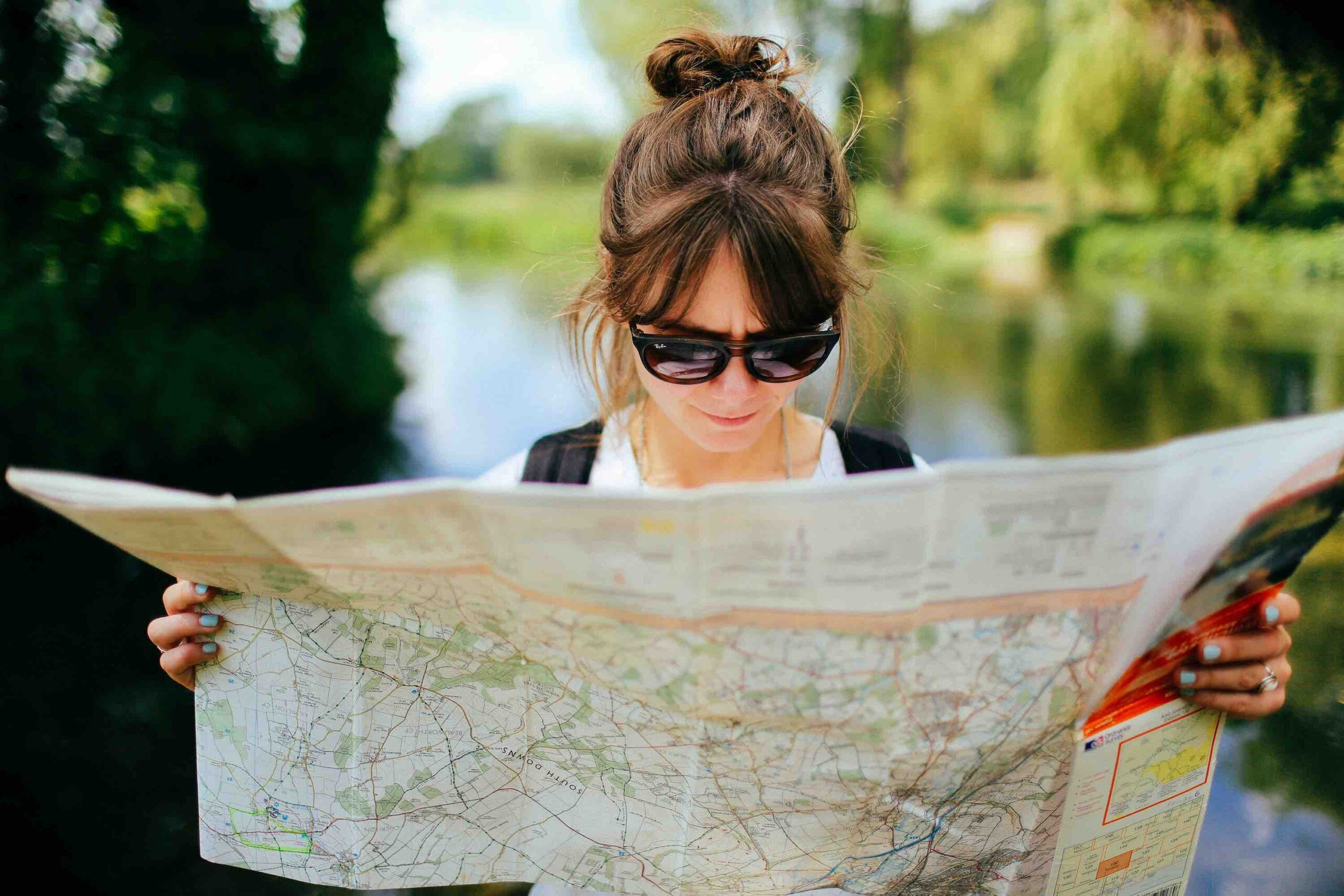
This is a post about how to plan your first trip abroad.
If you’re trying to plan your first trip abroad and are feeling overwhelmed, fear not. It’s just because it’s your first time. Remember: MILLIONS of people travel constantly, with or without planning, so it can’t be that hard, right? In fact, I just came back from a week away in 3 different countries after planning absolutely nothing and everything went fine! To be honest, a little planning would’ve been helpful but I just didn’t have the time… Anyway! With so many decisions to make and things to remember, it’s easy to get lost in the details. Whether you’re going on a solo adventure, a romantic getaway or a backpacking trip with friends, here’s a step by step guide to help you travel with confidence and actually enjoy the experience.

Step by Step Guide to Plan Your First Trip Abroad
Choose your destination wisely
Start by thinking about your budget, interests and comfort level. If it’s your first time abroad, you might want to pick a country that’s known to be traveller-friendly. Places like Portugal, Spain, Thailand and Japan are often recommended for first-time travellers because they’re safe, easy to navigate and offer a good mix of culture, nature and urban life.
Also consider the language, visa requirements and distance from home. If you only have a week, you might not want to travel halfway across the world and deal with intense jet lag.
Read more: 8 Travel Tips and Tricks to Make Your Planning Easier
Check passport and visa requirements
Make sure your passport is valid for at least six months beyond your travel dates. If you don’t have one yet, apply as early as possible since it can take several weeks to arrive. Also make sure you’ve got enough pages on it! I realised 3 weeks before a multi-country trip that I only had a page left on mine and had to rush to get a new one – got it two days before my flight! 😅
Research visa requirements for the country you’re visiting. Some destinations allow visa-free entry or visa-on-arrival for certain nationalities but others require you to apply in advance. Check the official government immigration websites or consult your country’s foreign travel advice page. Don’t forget to check rules – if you want to STAY and WORK in a particular country, make sure you’re actually allowed to. Working without proper permissions can cause all kinds of headaches!
Set your budget
Before you start booking anything, figure out how much you can realistically spend as you plan your trip. Your budget will shape your travels! From where you go to how long you stay and what kind of accommodation you book. Factor in flights, accommodation, travel insurance, food, transport, entry tickets and some extra for unexpected expenses.
You can use travel budget calculators or tools like Numbeo to estimate daily costs in your destination or simply research individual items like flights on Google Flights and accommodation on Hotels.com. Don’t forget to subscribe to this website and check back for more tips too =)
Book your flights early
Flights can be one of the biggest expenses, so it’s worth tracking prices using websites like Google Flights or Skyscanner. Try to book a few months in advance if possible, especially for long-haul travel. Flying midweek is often cheaper than weekends and flexible dates can make a big difference.
Double-check layover times, baggage allowances and airport change requirements before confirming anything. And careful with booking flights with layovers in cities with multiple airports! Sometimes the flight might arrive in one airport but the connecting one departs from another. Try to avoid these unless you’ve got loads of time between the two and can go for a little explore!
Reserve your accommodation
Once your flights are booked, start looking for accommodation. Hotels, hostels, guesthouses and holiday rentals all have pros and cons. If you want to meet other travellers, a social hostel can be a great choice. If you prefer privacy or are travelling as a couple, an apartment or hotels might be better. Personally, I love a hotel with a good breakfast! But sometimes an apartment makes more sense…hostels also have individual rooms sometimes if you don’t mind sharing a bathroom!
For your first few nights abroad, it’s nice to stay somewhere centrally located and easy to find from the airport or train station. Look at reviews, location, safety and cancellation policies before you book.
Buy travel insurance
Travel insurance is a must, even for short trips. It covers you in case of illness, injury, lost luggage or trip cancellations. Read the fine print and make sure your plan includes medical coverage abroad and covers the activities you plan to do. I like to get those with gadget cover as well. Especially if you’re travelling to the US, DO NOT go without insurance!
Learn a bit about the local culture
Take time to learn about your destination. Read about local customs, etiquette, tipping practices and how to dress appropriately. Download a few key phrases in the local language or use an app like Google Translate to help with menus and signs.
Knowing a little about the culture can help you avoid awkward situations and connect better with the people you meet. Even if you can’t speak the language, locals really appreciate when you try at least the basics like “please” and “thank you”.
Plan your itinerary (but leave room for magic)
It’s tempting to pack your days with everything you want to see but try not to overschedule. Pick a few must-see sights and leave time for spontaneity and rest. Besides, you never know if things will go according to plans, so leave wiggle room for any delays. Use Google Maps to group attractions by area and avoid zig-zagging across the city all day. You’ll save time and not get so exhausted.
Make restaurant reservations for popular places and check if museums or landmarks require advance tickets. Some attractions sell out weeks in advance, especially in summer and in Europe!
Read more: How to Cope With Travel Anxiety: Practical Tips to Enjoy Your Trips
Get your documents and money sorted
Print your flight confirmation, hotel booking and travel insurance policy or have them saved offline. Keep a copy of your passport and emergency contact info somewhere safe.
Tell your bank you’re travelling abroad so they don’t block your card and take a mix of cash and cards. Research the local currency and whether your cards will work. Not everywhere takes AMEX so make sure you’ve got a Visa or Mastercard. For some destinations, it’s best to exchange money before arriving. For others, it’s easier and cheaper to use an ATM on arrival.
Pack light and smart
Stick to a carry-on if possible, especially if you’ll be moving around a lot. You’ll thank yourself later. Pack versatile clothes you can mix and match and comfortable shoes. Check the weather and pack layers if needed.
Don’t forget chargers, adaptors, toiletries and a small first-aid kit. Bring a refillable water bottle and a lightweight daypack for sightseeing.
Don’t forget to pack documents, meds and most electronics if your carry-on as well as a change of clothes, toothbrush and toothpaste in case your bag is momentarily lost by an airline.
Stay safe and connected
Download important apps like maps, currency converters and local transport tools. Save emergency numbers for your destination and share your travel plans with someone back home.
Be mindful of your surroundings, especially in busy tourist areas where pickpockets might be active. Use hotel safes when possible and carry only what you need for the day. If using multiple cards, keep them separate like one in your bag, the other in your hotel room.
Enjoy the experience
Once you’ve landed, take a deep breath. Give yourself time to adjust and don’t worry if everything isn’t perfect. Travel is about learning, adapting and growing even when things don’t go to plan. Say yes to local experiences, try the food, talk to strangers and take lots of photos. Your first trip abroad will always be special, even whatever goes wrong. Because that happens whether you travel or not, it’s part of life and it’s ok! You’ll have more stories to tell =)
Tell me, are you currently trying to plan your first trip abroad? Where are you off to? Feel free to drop questions in the comments!

This is a post about how to plan your first trip abroad.
