
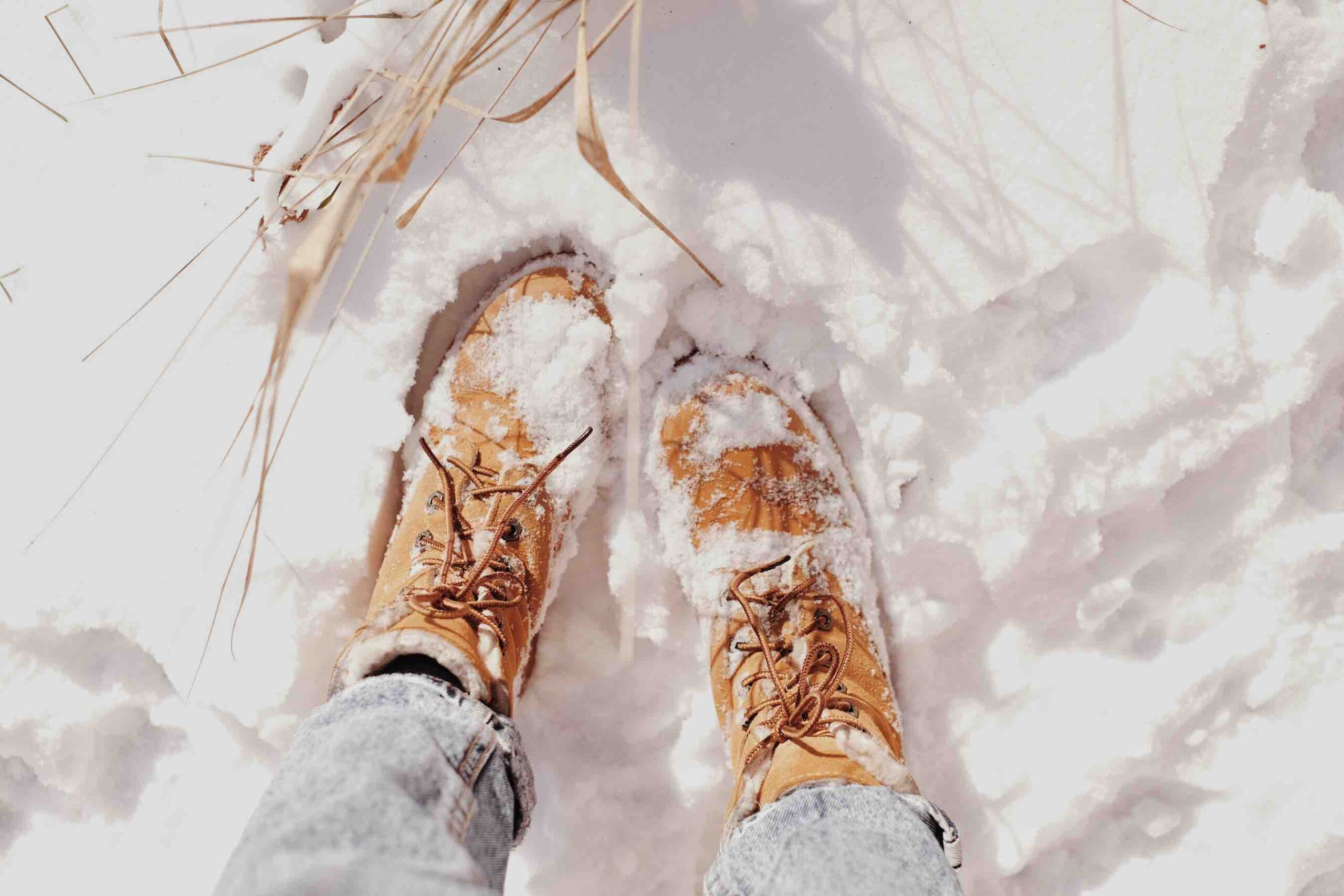
This is a post about what to pack for Europe in winter.
This website is reader-supported and posts may contain affiliate links, meaning I may earn a small commission if you make a purchase through them at no extra cost to you. Using these links helps support my work and I truly appreciate it. Thank you for your support!
What to Pack for Europe in Winter From North to South
I know you’re thinking “but how can I wear the same winter clothes in Scandinavia and the south of Spain?”. Europe in winter isn’t one-size-fits-all. While Scandinavia might be covered in snow, the Mediterranean could be mild and sunny. But worry not, I’m well aware Europe is a big place with many countries, each with their own climates and requirements. That’s why I divided this guide to what to pack for Europe in winter in regions. This guide breaks down exactly what to pack for Europe in winter by region, so you’ll stay warm, comfortable and stylish wherever your trip takes you.
I’ve actually got a more general “packing for Europe checklist” here if you want to check it out but stay here for a more specific packing list for winter in Europe.
TL;DR:
UNIQLO is probably your best friend when it comes to warm clothes! But if you need more details than this, read on.

What to Expect When Travelling to Europe in Winter
Winter in Europe runs from late November through March and temperatures can vary drastically. Northern and Eastern Europe tend to be freezing, Central Europe is cold but manageable with layers and Southern Europe is cool and pleasant, even warm in the sun. You’ll need to pack smart, not heavy. Think mix-and-match layers, waterproof pieces and comfortable shoes that handle everything from icy pavements to rainy coastal streets.
READ MORE: Best European Winter Sun Destinations for a Warm Getaway
Europe Winter Packing Basics
Before diving into regions, let’s start with the essentials every winter traveller needs, no matter the destination.
The essentials
- A warm, insulated coat (down or synthetic)
- Thermal base layers (top and leggings)
- A waterproof jacket or packable raincoat
- Comfortable waterproof boots
- Wool socks (bring several pairs)
- A scarf, gloves and a warm hat
- Jumpers and long-sleeved tops
- Jeans or warm trousers
- A small umbrella
- Moisturiser and lip balm (the cold and heating can be brutal)
- An extra pair of walking trainers – it can get quite wet here and shoes take longer to dry in the winter! You don’t want start your day with wet shoes!
If you’re creating outfits for photos or trying to pack light, choose a colour palette. Neutral tones like black, beige, camel, and grey mix easily and look classic in photos.
What to Pack for Northern Europe in Winter
(Includes: Norway, Sweden, Finland, Denmark, Iceland)
Northern Europe in winter is all about snow, ice and stunning landscapes. Expect temperatures anywhere from -10°C to 5°C, little daylight and breathtaking scenery. You’ll spend a lot of time outdoors, so prioritise warmth and waterproofing over everything else.
Clothing essentials
- A heavy down parka or ski-style jacket
- Waterproof snow boots with good grip
- Thermal underwear (merino wool is ideal)
- Fleece or wool jumper
- Insulated gloves and thick hat (preferably covering ears)
- Warm scarf or neck gaiter
- Snow trousers or lined leggings for outdoor activities
- Touchscreen-friendly gloves for photos of the Northern Lights (I’ve got these ones!)
Like I said before and in other posts, Uniqlo is amazing for winter layers! I got these super warm and comfy pants just before heading to Helsinki and they did not let me down…
In Iceland, on the other hand…we booked a real last minute trip in early December and I was worried I didn’t have enough warm clothes. I ended up being fine with a PARKA as an outer layer because I had my trusted thermal from Uniqlo but, if you’re going between later December and early March, I’d recommend a proper winter coat more like a ski jacket.
Extra tips
If you’re heading to Lapland or doing activities like dog sledding or snowmobiling, most tour operators provide outer gear, so you just need warm under layers. For city trips to places like Copenhagen or Stockholm, stylish coats and ankle boots will do fine. Scandis are effortlessly chic even in a blizzard.
What to Pack for Central Europe in Winter
(Includes: Germany, Austria, Switzerland, Czech Republic, Poland, Hungary)
Central Europe has that perfect winter fairytale vibe: Christmas markets, alpine views and steaming mugs of glühwein everywhere. Temperatures hover between -5°C and 8°C, so layering is key. You’ll want clothes that transition easily from chilly mornings to warm indoor cafés.
Clothing essentials
- A midweight wool coat or insulated jacket
- Thermal base layers for colder days
- Wool jumpers and cardigans
- Jeans or corduroy trousers
- Waterproof ankle boots (great for cobblestones and light snow)
- A hat, gloves and scarf (yes, all three. The wind can be so sharp!)
Style tip
Central Europe leans towards smart casual. Locals in cities like Vienna or Prague favour dark jeans, tailored coats and leather boots over bulky outdoor gear.
Extras to bring
- Reusable hot drinks cup (markets charge less if you bring your own mug)
- Hand warmers (for those long walks)
- Power bank (cold weather drains batteries fast)
READ MORE: Best European City Breaks in Winter for a Magical Holiday
What to Pack for Southern Europe in Winter
(Includes: Portugal, Spain, Italy, Greece, Southern France)
Winter in Southern Europe is mild, with temperatures usually between 10°C and 17°C. You might even get a few beach days depending on where you are, but evenings can still be chilly. The key here is versatility: layers that work for both sunny afternoons and cooler nights.
Clothing essentials
- A medium-weight trench coat or puffer
- A light jumper or cardigan
- Long-sleeved tops and jeans
- Trainers or ankle boots (waterproof if possible)
- A scarf for chilly evenings
- Sunglasses! Winter sunlight in the Mediterranean is strong
Style tip
Southern Europe is effortlessly stylish whatever the weather. Italians love tailored coats and sleek boots, while Spaniards favour layers and neutral palettes. You’ll fit right in with simple, well-fitting pieces.
Optional extras
- A dress or skirt with tights for dining out
- Compact umbrella for surprise showers
- Swimwear (some hotels and spas have heated pools)
What to Pack for Eastern Europe in Winter
(Includes: Romania, Bulgaria, Slovakia, Ukraine, the Baltics)
Eastern Europe can be extremely cold in winter, with temperatures dropping below -10°C. Snow is common and some smaller towns get icy streets, so think functional and warm rather than fashionable. It’s also one of the best regions for budget travellers and Christmas markets, so pack with both practicality and exploration in mind.
Clothing essentials
- Long down coat or heavy parka
- Waterproof snow or hiking boots
- Thick jumpers and thermals
- Wool socks and a beanie
- Waterproof gloves (snowy mornings can soak through regular ones)
- A fleece layer for extra warmth
What to know
Public transport and restaurants are well heated, so layering is everything. You’ll often remove your outer layers indoors, so pack lighter under layers.
READ MORE: Best Christmas Markets in Europe 2025: Ultimate Guide
What to Pack for the UK and Ireland in Winter
(Includes: England, Scotland, Wales, Northern Ireland, Republic of Ireland)
Expect rain. Lots of it. Winters in the UK and Ireland are damp and chilly rather than freezing, with temperatures between 2°C and 9°C. Waterproof gear is your best friend. (although I did get a snowy weekend in Ireland once and it was HELL! SO SO SO slippery because of the wet weather!)
Clothing essentials
- A waterproof trench or parka
- An umbrella that won’t blow inside out
- Waterproof boots
- Warm jumpers and jeans
- A scarf and gloves (the wind is way too cold)
- A beanie
Tip
Avoid heels or suede shoes as they’ll be awful in the rain. Bring an extra pair of dry socks in your day bag if you’re walking a lot in cities like London or Edinburgh.
READ MORE: 7 Idyllic UK City Breaks for the Cosiest Winter Weekends
Packing for Skiing and Mountain Escapes in Europe
If you’re planning a ski holiday in Europe, your packing list will look a little different from a city break. You’ll need clothes that can handle freezing temperatures, snow and a lot of movement. Layering is still key, but focus on technical fabrics that stay warm and dry even after hours outdoors.
Ski clothing essentials:
- A waterproof ski jacket (with windproof and insulated lining)
- Waterproof ski trousers
- Thermal base layers (merino wool or synthetic quick-dry)
- A mid-layer fleece or lightweight down jacket
- Ski socks (avoid cotton; they stay damp)
- Waterproof gloves or mittens
- A neck warmer or buff
- A helmet and goggles (many resorts rent them out)
- A warm beanie for après-ski
Off the slopes:
Pack a pair of snow boots or waterproof winter boots for walking around the resort, plus casual jumpers, jeans and a stylish puffer or parka for evenings. Most ski towns have a lively après-ski scene, so you’ll want something cosy but cute to wear to bars and restaurants like chunky knit, jeans and boots. Although often you’ll just be wearing your ski gear fresh off the slopes!
Extra tips:
Sunscreen and lip balm are non-negotiable. The sun reflects off the snow and can cause burns even on cloudy days. Sunglasses are just as important as your goggles. Bring gloves that let you use your phone without removing them – no doubt you’ll be taking lots of mountain photos.
If you’re flying with ski gear, check airline policies before you go. Some budget airlines charge extra for ski equipment, while others include it in a sports allowance. To save space, wear your heaviest boots and coat on the plane.
Europe Winter Packing List for Women
If you’re creating a capsule wardrobe or planning stylish winter Europe outfits, aim for about one week’s worth of mix-and-match pieces that layer easily.
- 1 heavy coat
- 1 lightweight jacket or trench
- 2–3 jumpers
- 3 long-sleeved tops
- 2 pairs of jeans or trousers
- 1 pair of leggings or tights
- 1–2 dresses or skirts (optional)
- 1 pair of waterproof boots
- 1 pair of trainers or loafers
- Thermals, underwear, pyjamas
- Hat, gloves, scarf set
- Small crossbody bag for safety and ease
- Reusable water bottle (stay hydrated, even in cold weather)
What to Wear in Europe in December
December is festive everywhere in Europe. Pack an outfit that works for Christmas markets or New Year’s Eve dinners, smart casual with a warm coat over the top. Ski jackets can be handy in colder countries, not just the alps. They’re great as they’re also waterproof! In cities, stylish boots, wool coats and scarves are perfect (I’d still avoid heels though).
Final Tips
- Layer like a pro: You’ll move between freezing streets and overheated cafés constantly.
- Plan for laundry: Many hotels and Airbnbs offer washing machines, so don’t overpack.
- Carry-on only: Winter clothes are bulky so wear your heaviest items on travel days.
- Power adaptors: Europe mostly uses Type C or F plugs, but the UK and Ireland use Type G.
- Daypack: A waterproof one for carrying snacks, maps and extra layers. Or you can get a rain cover for your usual backpack!
READ MORE: Packing Checklist for Europe: Essential Items For The Best Eurotrip
Final Thoughts
Packing for winter in Europe is all about flexibility and comfort. With smart layering and a few key pieces, you’ll stay warm whether you’re wandering through snowy Prague streets, sipping espresso in Rome or chasing the Northern Lights in Iceland. Don’t overthink it, you’ll find that looking effortlessly put-together in the cold comes down to one rule: layers first, style second.
You’ll be ready for anything Europe throws your way! Rain, snow or a welcome sunny day in the south.
