
This is a post about Berlin city guide.
I LOVE LOVE LOVE Germany! It was the first country I visited/lived in when I moved to Europe as an au pair. Although I lived more around the central/south (between Heidelberg and Frankfurt), I always held a certain fascination with Berlin for some reason. Until I first went there… and completely fell in love! I don’t know how to explain, but I loved the gritty, edgy vibe it had. I like my cities how I like my men: I don’t have a particular type, it’s all about personality. And I like various different cities of various different personalities. Berlin was the punky one. Since that first visit I’ve been back many, many times and I think it’s changed quite a bit but the essence is still there.
The other day I wrote a guide to the best cities to visit in Germany and I couldn’t believe I hadn’t yet written about Berlin on this travel blog! So it’s only fair I finally do so. Here’s my essential Berlin city guide for first time travellers who want a good introduction to the city, a guide of what to do, what not to miss, where to stay and all that.

Berlin city guide.
Quick guide
- Ideal trip length: 3 days (2 minimum, 4+ if you like museums and neighbourhood exploring)
- Best areas to stay: Mitte for first time, Kreuzberg for food & nightlife, Prenzlauer Berg for relaxed cafés
- Best time to visit: May-June and October for gorgeous autumn colours
- Budget: 70€-140€ per person per day depending on accommodation
- Vibe: historical, creative, alternative rather than picturesque
- Is it worth visiting: Absolutely! Especially if you enjoy culture, history and lived-in cities
Is Berlin worth visiting?
Definitely! It’s not exactly pretty like other capitals but it’s so cool and full of history. One of the biggest world events literally happened there and you can trace its steps and learn more about it to make sure it never happens again.
Unlike cities that sell beauty immediately, Berlin will keep your curiosity peaked. You won’t constantly think “oohh this is pretty” but you’ll always be thinking “this is f’ing interesting”. Layers of history sit directly on top of modern life: a techno club in a former power station, a park built from an airport runway, an art gallery inside a bunker.
If your favourite European cities are museums, neighbourhood cafés, markets and people-watching rather than ornate squares, Berlin will probably work for you.
How many days to visit Berlin
One day gives you context, 2 give you landmarks plus one neighbourhood. Three days I’d say is pretty decent.
Four or more days lets you go beyond the tourist sights and explore how the locals live.
Berlin distances are large and attractions can be mentally heavy, you need breaks between them.
Visit Munich or Berlin?
The comparison comes up constantly because travellers often pick city to visit in each country. I think it really depends on what you’re looking for. If I were to recommend ONE place to visit in Germany, it would be Berlin. However, if you’re looking for a more polished placed that feels more like a holiday, I’d say Munich.
Munich feels traditional, architectural and very German, whereas Berlin feels grittier, raw and cultural.
If you want Bavaria, mountains and historic aesthetics, choose Munich. If you want museums, art, nightlife, international food and social history, choose Berlin.
I’ve got a Munich city guide here too if you want to compare the two!
Best time to visit Berlin
Spring is a VERY good time! Cafés reopen terraces, parks fill up and temperatures are comfortable for walking long distances.
Summer has great atmosphere! Lakes, open-air cinemas, markets and street life but accommodation prices rise and queues appear.
Personally, I absolutely LOVE autumn in Berlin. Warm light, fewer crowds and the most gorgeous autumn colours, especially around the beautiful Tiergarten.
Winter is grey and very cold. The Christmas markets make it worthwhile if you lean into indoor culture rather than sightseeing.
Where to stay in Berlin
Mitte
Most convenient for sightseeing. You can walk to major landmarks and transport connections are excellent. Less personality, maximum practicality.
Kreuzberg
The neighbourhood that matches most people’s mental image of Berlin. International restaurants, vintage shops, canal walks and late-night life. Great base if you want evenings to feel alive.
Prenzlauer Berg
Calm, leafy and café-heavy. Feels residential but still central. Ideal if you want a slower rhythm and good breakfast spots.
Friedrichshain
Younger and social. Hostels, bars and club culture nearby.
Charlottenburg
Elegant and quieter, with good restaurants and a more traditional feel.
If I were to give you a piece of advice: staying around tram stops. So much better than taking the subway! (which you’ll have to at times…)
Unmissable things to do in Berlin
Walk through the Brandenburg Gate and Pariser Platz
One of the most recognisable landmark in Germany feels even more powerful in person! Visit early morning or late evening when the square is calmer.
From here you can immediately understand Berlin’s geography: the Tiergarten park behind you and the government district ahead.
Visit the Reichstag dome
Book in advance and go near sunset if possible. The spiral ramp gives a panoramic understanding of the city layout and the audio guide explains Berlin’s history as you walk. It turns a political building into one of the most engaging attractions in the city.
Experience the Holocaust Memorial
The field of concrete blocks is intentionally disorienting. Walk slowly through it rather than around it; the experience changes depending on where you stand. The underground exhibition adds historical context and is worth the time.
Don’t forget: it’s a memorial for the millions of people who died in one of the worse historical events that has ever happened. Please be respectful.
See the Berlin Wall at the East Side Gallery
Unlike museum fragments, this section shows scale. Walking alongside it helps you grasp how dividing a city actually felt. The murals add a layer of modern interpretation without removing the weight of the past.
My host mom from my au pair year in Germany is from East Germany. Last time I went to visit we were talking about that period of time and she was telling us about the fall of the wall. They didn’t believe it, they thought it would go right back up! What an insane thing to have happened in our world, isn’t it?! That’s one of the many reasons I think it’s so important to visit Berlin: learn from the past, don’t repeat it! (a lot of people seem to have forgotten…)
Explore Museum Island
Even if you are not a museum person, visit the area. The buildings alone are impressive and sitting by the river here is one of the most pleasant breaks during sightseeing. If you enter one museum, choose based on interest rather than popularity; the collections are very different.
Topography of Terror
One of the most informative and accessible history museums in Europe. Outdoor panels explain events clearly and quickly, making it ideal even for people who normally avoid museums.
Tempelhofer Feld
A former airport turned public park where locals cycle down runways and picnic. This is where Berlin stops feeling like a destination and starts feeling like a place people actually live.
Kreuzberg canal walk
Follow the Landwehr Canal through cafés and markets. It’s one of the most relaxing ways to spend an afternoon and shows everyday Berlin life better than landmarks do.
Alexanderplatz to Hackescher Markt walk
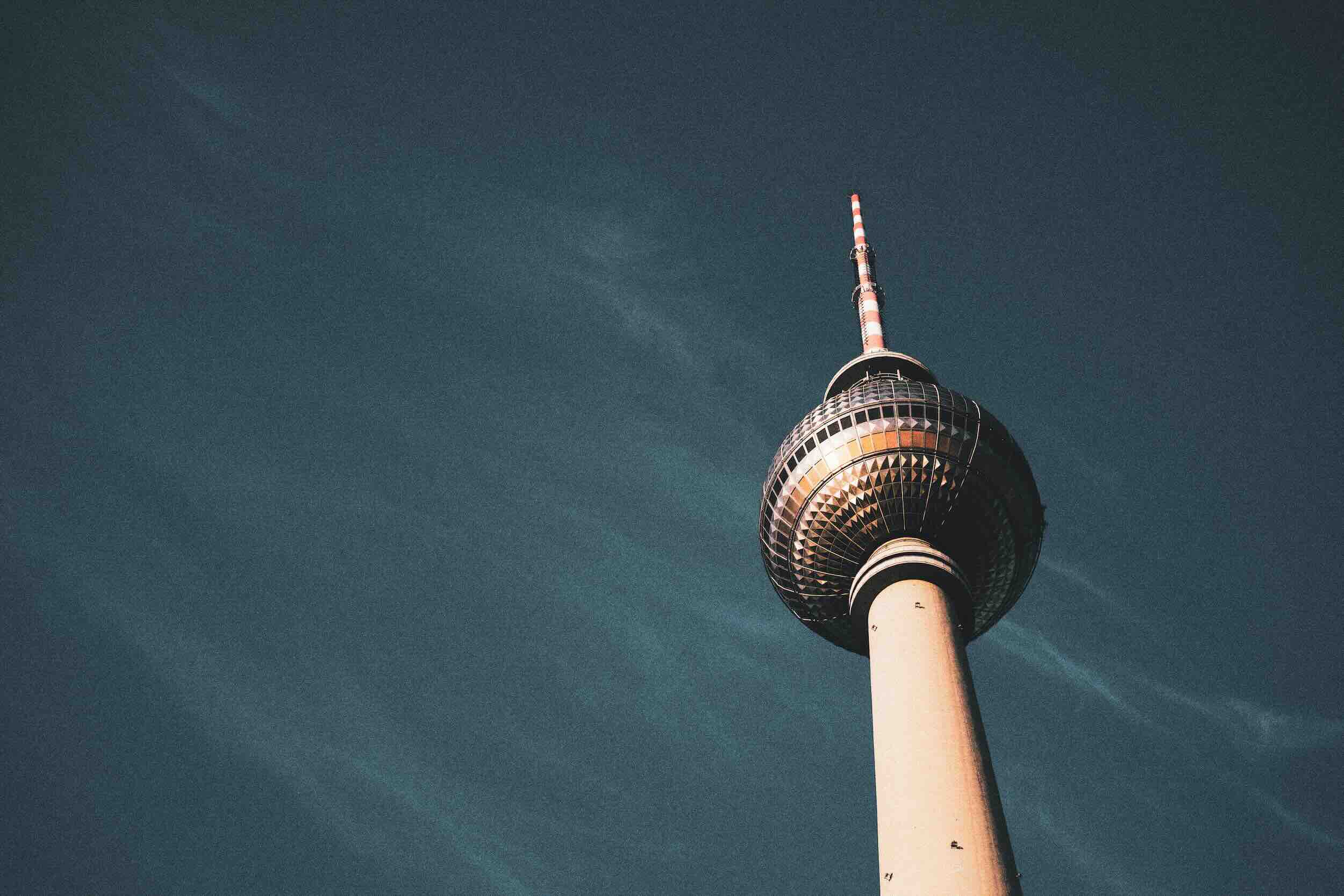
Start at the TV Tower area, then move into smaller streets filled with independent shops and courtyards. This route transitions from East German architecture to modern creative Berlin within minutes.
Street food and international cuisine
Berlin’s best meals are often casual. Turkish, Vietnamese and Middle Eastern food dominate the scene. You can find street food at Hackescher Markt on Thursdays and Saturdays 9am-6pm, Manifesto Berlin open every day 11am-10pm, Kerb Berlin, open every day from 11:30 and more.
I also have to urge you to pay Fräulein Frost for the best ice cream in Berlin! The best flavours I’ve had there were orange blossom, coconut and PROSECCO! Yep, bubbles and everything. Mind you, they only open during spring/summer.
Parks and lakes culture
On warm days locals disappear to parks or nearby lakes rather than indoor attractions. Joining them is part of understanding the city’s lifestyle.
Mauerpark, on the former border between East and West Berlin, is now a wonderful area where people come together for events, Sunday markets and other leisurely activities.
Nightlife or late cafés
Even if you don’t club, experience a late evening. Berlin runs on a different clock; cafés stay open late and socialising stretches into the night.
I’ve never been to Berghain but it’s possibly the most popular bar in Berlin so I’ll leave their website here for you to check out.
Berlin city guide.
What to see in Berlin in one day
If you’re short on time, here are Berlin’s main attractions:
Begin at the Brandenburg Gate and Reichstag, walk to the Holocaust Memorial, continue to Potsdamer Platz and the Topography of Terror, then Checkpoint Charlie. From there head toward Museum Island and finish at Alexanderplatz.
This route tells the story of Berlin chronologically and geographically without excessive transport.
Or, better yet, take a free walking tour! I can’t recommend these enough. They usually last a couple of hours.
Getting around Berlin
Public transport is simple and reliable. U-Bahn and S-Bahn cover most distances and day passes are usually best value. The city is large but navigation is straightforward, you rarely wait long for a connection.
Walking works within neighbourhoods but not across the entire city, so expect to combine both. And, like I said before, there’s also the tram option (and buses!) which only covers a certain part but some good ones like the main train station, Hackescher Markt, Alexanderplatz and East Side Gallery
Typical daily costs
Accommodation ranges widely but remains cheaper than many western capitals. Food is affordable due to casual dining culture and transport tickets are inexpensive compared to distances covered.
Museums add up quickly, so plan which you genuinely want to enter.
Common mistakes visitors make
- Trying to see it too quickly
- Only staying near the main square
- Not booking the Reichstag ahead of time
- Planning every hour instead of leaving wandering time
- Expecting a traditionally pretty city
Yes, locally. But neighbourhoods can be far apart so public transport is part of the experience and a travel card is really handy.
Generally, yes. With normal big-city awareness.
Nowadays cards are widely accepted but you’ll still find the odd places that are cash-only. Up until Covid Germany wasn’t too keen on cards!
Berlin rarely impresses instantly, but it often becomes the city people keep thinking about after returning home. It’s hard not to be moved by it.
Are you thinking of going to Berlin soon? I hope this Berlin city guide helped you plan your trip. Let me know if you have any questions!
This was a post about Berlin city guide.
